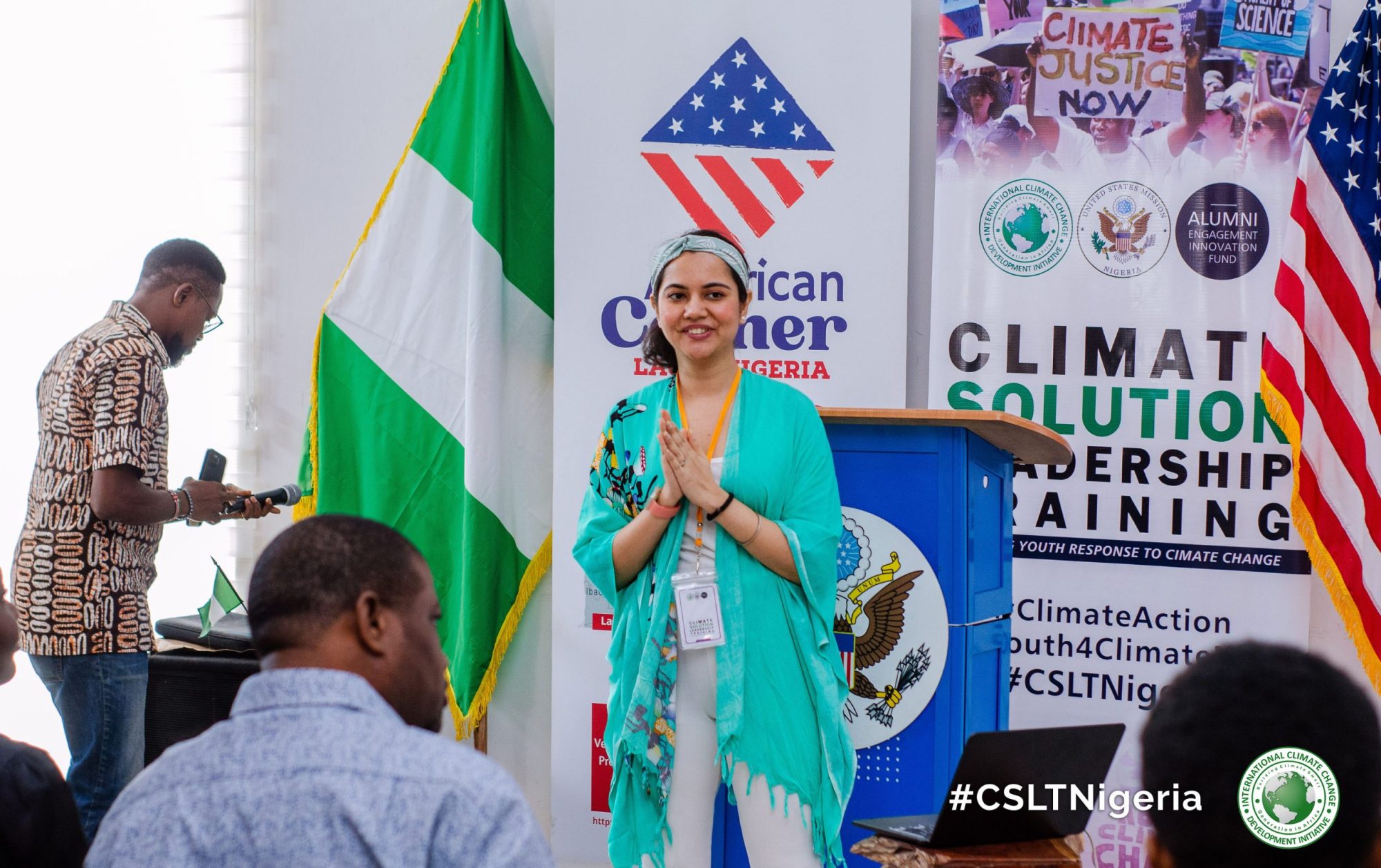
Empowering Women through Nature Based-Solutions
Empowering women is key to tackling South Asia’s water crisis, and Meghna Chakkraborty is supporting them to lead. She promotes inclusive, nature-based solutions that bridge urban and rural needs while preserving traditional knowledge. By fostering collaboration and representation, Meghna envisions a water-secure future shaped by diverse voices and regional cooperation. Read more from her below:
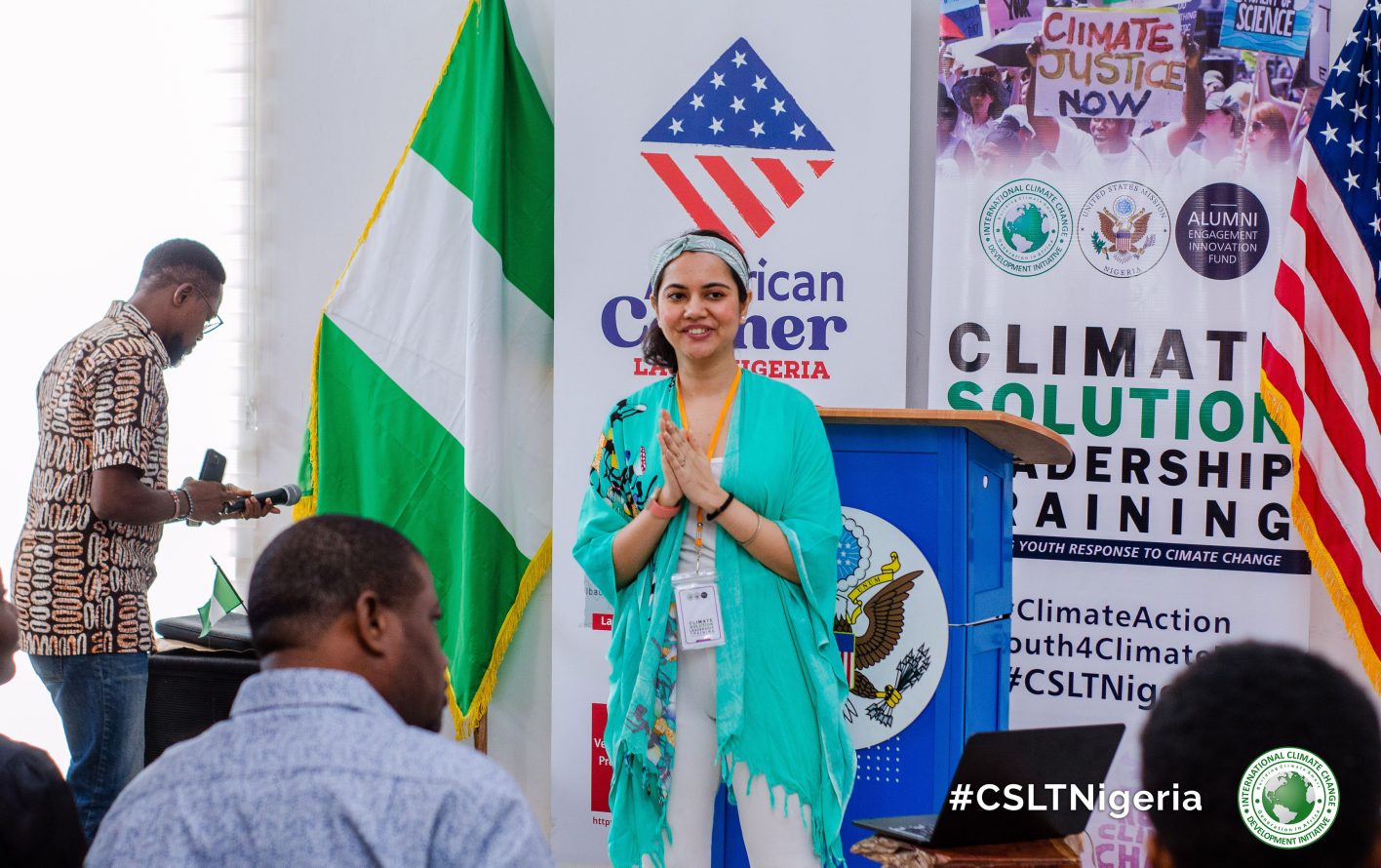
South Asia grapples with challenges like contaminated water sources, depleting surface water supply and excessive extraction of groundwater. So it is critical to formulate judicious water conservation and management strategies through nature-based solutions. This is particularly important in view of socio-economic inequalities that disproportionately impact women and communities on the margins. Including limiting their access to clean water.
As the founder of the South Asia Young Women in Water (SAYWiW), Meghna Chakkraborty is on a mission. Exploring nature-based, sustainable water conservation and management practices. As part of the Women Climate Collective (WCC), her work also focuses on intersectionality and gender inclusivity in water governance. Leading by example, she is empowering young women professionals to drive innovative solutions and ensure shared prosperity.
“Women in South Asia can play a significant role in managing water resources sustainably,” says Meghna Chakkraborty
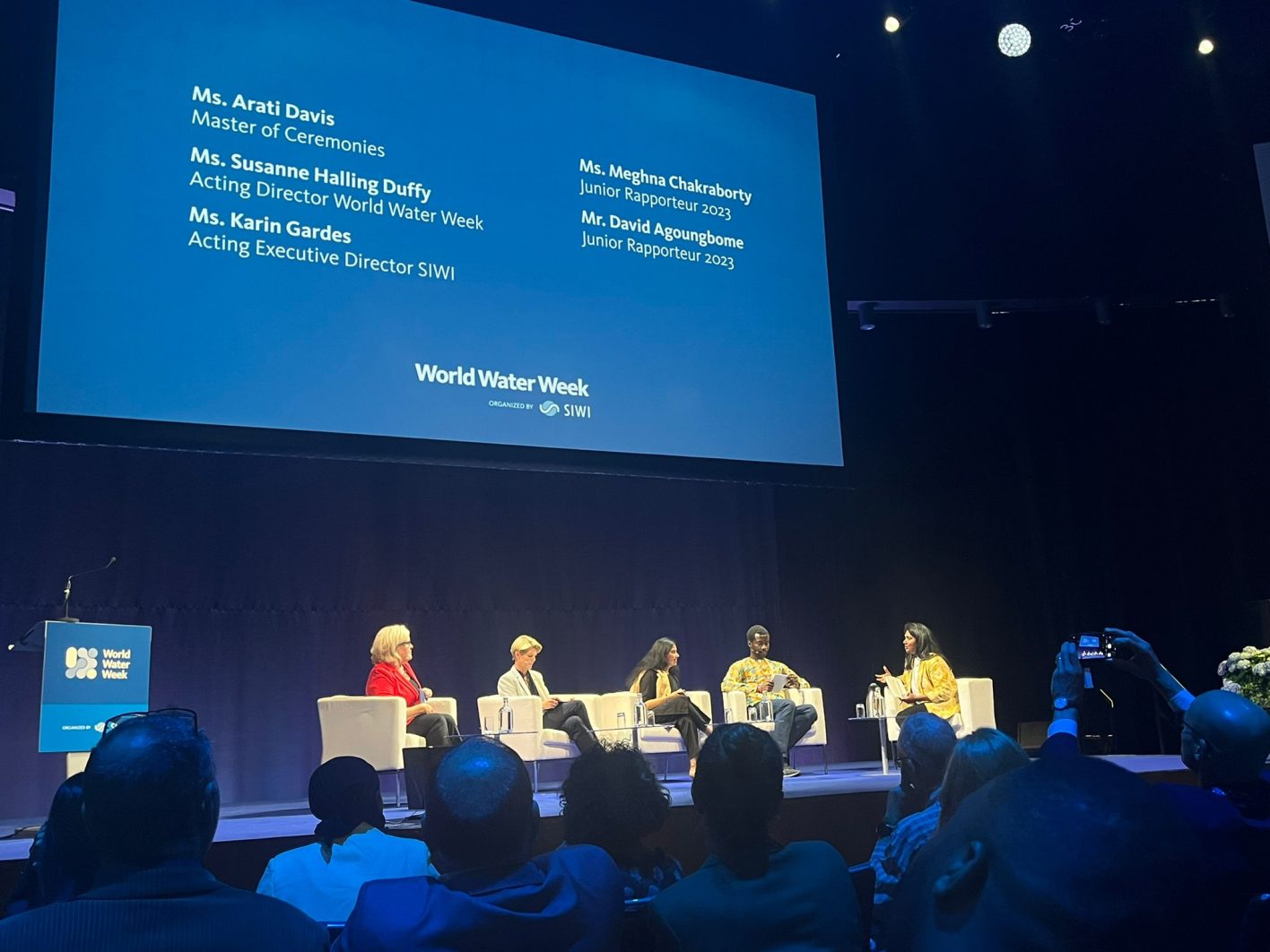
She was inspired to establish SAYWiW when she witnessed the barriers young women in South Asia face when entering the water sector. “Countless passionate, talented women with innovative ideas lack the support, mentorship, and representation needed to influence decision-making spaces. During World Water Week in 2023, as a Junior Rapporteur, I got the opportunity to connect with young women water professionals from Pakistan, Bangladesh, and Nepal. We recognized how shared water challenges united us, regardless of our diverse backgrounds. And how water could serve as a vital resource for fostering cooperation across South Asia,” she shares.
South Asia’s Water Crisis Demands Urgent Action
South Asia is disproportionately impacted by water issues, yet they’re frequently left out of decision-making. Meghna says, “All they need are tools, networks, and leadership opportunities to drive sustainable and inclusive water governance. Empowering women in South Asia can play a significant role in managing water resources at the community level.”
Arguing for inclusive leadership, she says, “SAYWiW’s mission is to empower young women as champions of change. Not just in water management but in building climate resilience across South Asia. By cultivating a space for collaboration and knowledge exchange, we hope to shape a future where young women are at the forefront of sustainable water management in our interconnected region.”
Being part of the 2024 Women Climate Collective has also been an enriching journey for her. She says, ” Collaborating with women leaders from diverse backgrounds and regions has shown me the power of collective vision and shared purpose. We’re all tackling different aspects of climate resilience. Yet our challenges often overlap, especially around issues like representation, gender bias, and resource constraints.”
Multi-layered Challenges
The water crisis in South Asia is multi-layered as it constitutes urban water security challenges, agricultural demands in rural regions, reliance on water-intensive crops, outdated irrigation practices, population growth, outdated infrastructure and heavy reliance on groundwater extraction. Meghna adds, ” Fragmented regulatory frameworks and limited inter-agency coordination also prevent effective water management. Urban water mismanagement then impacts rural communities and downstream ecosystems, disrupting livelihoods and intensifying climate vulnerabilities across borders.”
Compounding these issues is the loss of traditional water conservation knowledge, which historically offered sustainable, locally adapted management practices. “To ensure water security, South Asia requires an integrated governance approach that balances urban and agricultural demands, preserves traditional knowledge, and fosters regional cooperation to manage shared resources effectively. Enhanced governance and stakeholder engagement will be essential to building resilient, inclusive water systems for the region’s interconnected future,” Meghna observes.
The Promise of Nature-Based Solutions
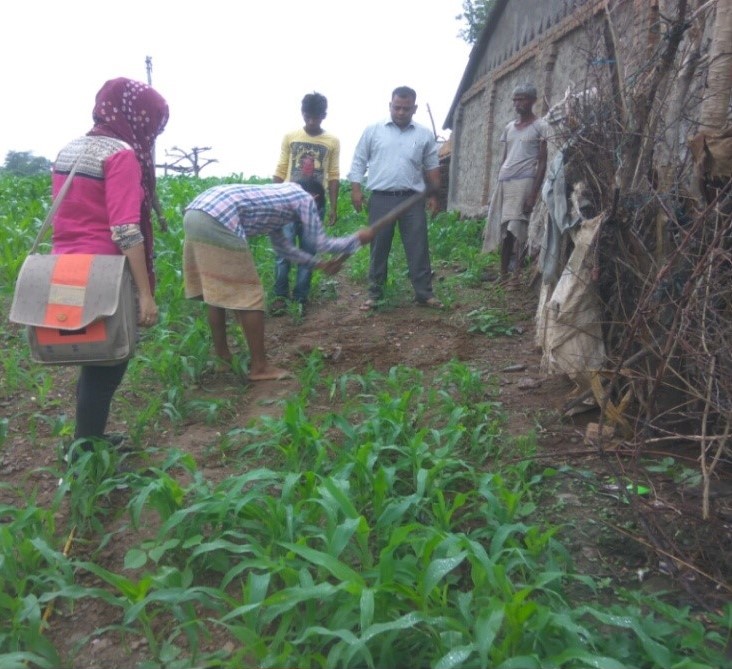
Meghna emphasises the role nature-based and sustainable solutions can play in water conservation across South Asia. She says, “Nature-based solutions (NbS) focus on using natural landscapes and ecosystems to address water challenges, moving away from infrastructure-heavy approaches. Wetlands, forests, and mangroves naturally filter water, recharge groundwater, and protect against floods and droughts.”
In South Asia, she explains, NbS is mostly led locally by communities, indigenous groups, and CSOs (Civil Society Organizations). Often incorporating traditional practices like terracing for soil conservation and riverbank vegetation to reduce erosion etc.
“In urban areas, NbS are complemented by both structural methods like constructed wetlands, rainwater harvesting, and natural drainage restoration; and non-structural approaches such as flood monitoring, land-use planning, and community awareness programs, ” she explains. These solutions, in her opinion, can also encourage cross-border cooperation in South Asia, fostering resilience against climate impacts and promoting regional water security. “It can lead to mutual maintenance of shared ecosystems instead of building isolated infrastructure,” she adds.
Lessons from India’s Water Management Initiatives
As a proponent of NbS, she has also worked as a consultant steering Communication for Development (C4D) in the Water, Sanitation and Hygiene (WASH) sector. She recalls, “One of my responsibilities was to develop social and behaviour change communication plans and operational guidelines for water conservation, in relation to the national flagship projects Jal Shakti Abhiyan and Jal Jeevan Mission (JJM).”
While JJM’s aim was to ensure sustainable access to safe and adequate drinking water for rural families via sustainable measures to recharge and reuse through greywater management, water conservation, and rainwater harvesting. The Jal Jeevan Mission Urban (JJM-U) employed the Five ‘R’s (reduce, reuse, recycle, restore, and recharge), and initiated plans for city water balance, management of used water, and safeguarding the aquifers.
“These initiatives highlight the impactful integration of nature-based solutions in India’s water management landscape. By focusing on sustainability and community engagement, we can enhance the dignity and well-being of rural families. All the while ensuring the health of our shared water resources, ” she says.
A Future Shaped by Diverse Voices
She also believes that intergenerational collaboration between diverse stakeholders, experienced policymakers and young voices, CSOs, academia, local communities and women can generate holistic, adaptable solutions.
Arguing for inclusive representation, she concludes: “Marginalised communities are often excluded due to language barriers. Incorporating vernacular languages into the sector would allow a broader range of perspectives and more equitable participation. Local knowledge from these communities is incredibly valuable and enabling them to share insights can shape policies that are rooted in local realities. By making these changes, South Asia can move toward water policies that not only address immediate needs but also build a sustainable, inclusive water future for generations to come.”
If you enjoyed this blog and want to dig in further then Earthed recommends Digging into Soil Health with Nicole Masters for a look at the role soil plays as nature-based solution to water management. Or explore River Restoration with Paul Powelsland for how becoming a river guardian can heal and protect river ecosystems.